
Why Small Businesses Fail to Follow Up (And Why It's Never About Effort)
Ask a business owner why a lead never got a second call, and the answer almost always lands somewhere near "things got busy" or "it slipped through the cracks." Neither of those is really an explanation. They're descriptions of the same predictable failure happening again, dressed up as an isolated accident.
Follow-up doesn't fail because people don't care. It fails because it depends entirely on a human remembering, at the exact right moment, to do something that competes directly with whatever else is happening that day. That structural fact, not a lack of discipline, is the real story behind almost every stalled lead sitting quietly in a CRM.
Follow-Up Isn't Forgotten, It's Deprioritized
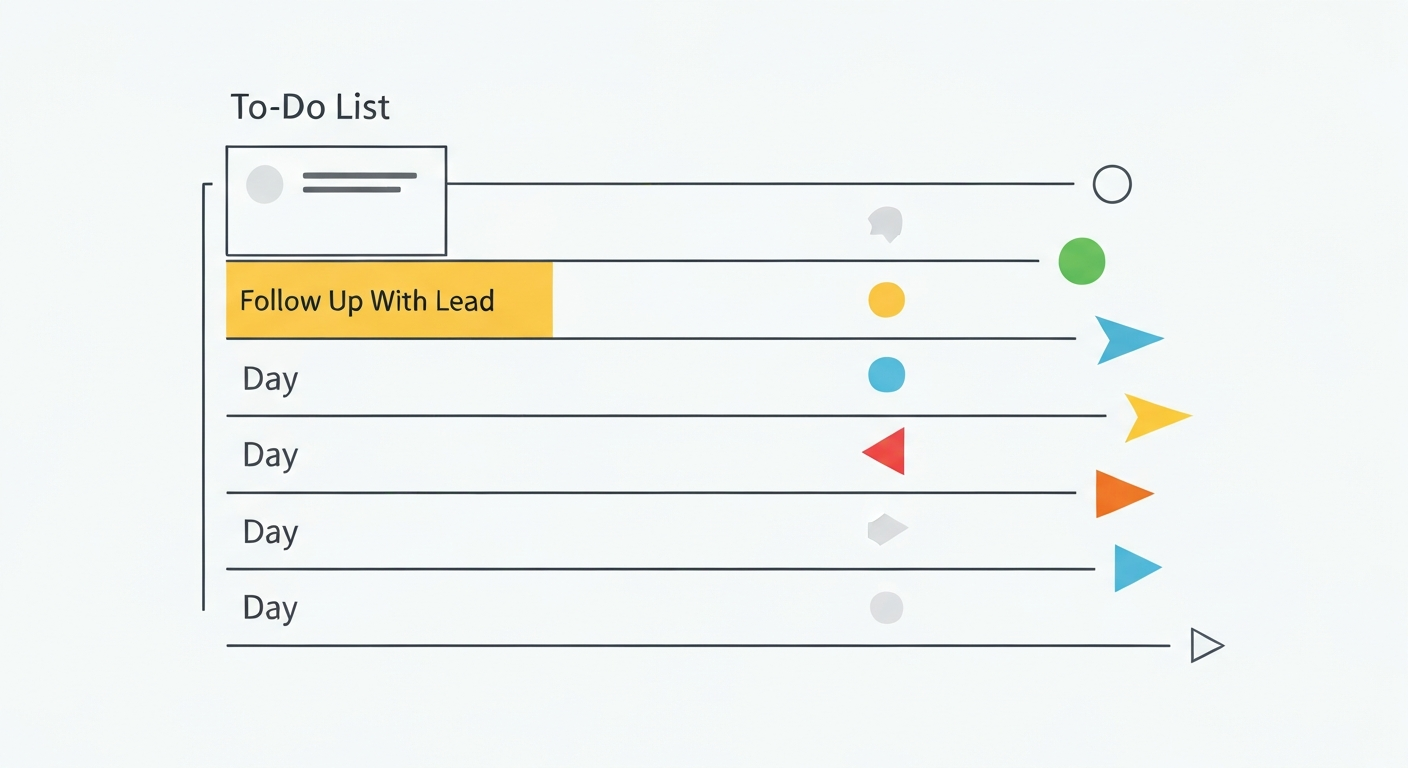
The word "forgotten" implies something disappeared from memory entirely. In practice, most follow-up doesn't vanish, it just keeps losing to whatever feels more urgent in the moment. A new call comes in and gets answered first. A current customer's issue takes priority. By the time there's a quiet moment to circle back to yesterday's lead, there's a fresh one sitting on top of it instead.
This isn't really forgetting. It's a constant, invisible reprioritization happening dozens of times a day, where older, less urgent-feeling tasks keep sliding further down the list without anyone consciously deciding to abandon them.
The Three Places Follow-Up Quietly Dies
Follow-up failure doesn't usually happen in one dramatic moment. It happens in a few specific, repeatable spots.
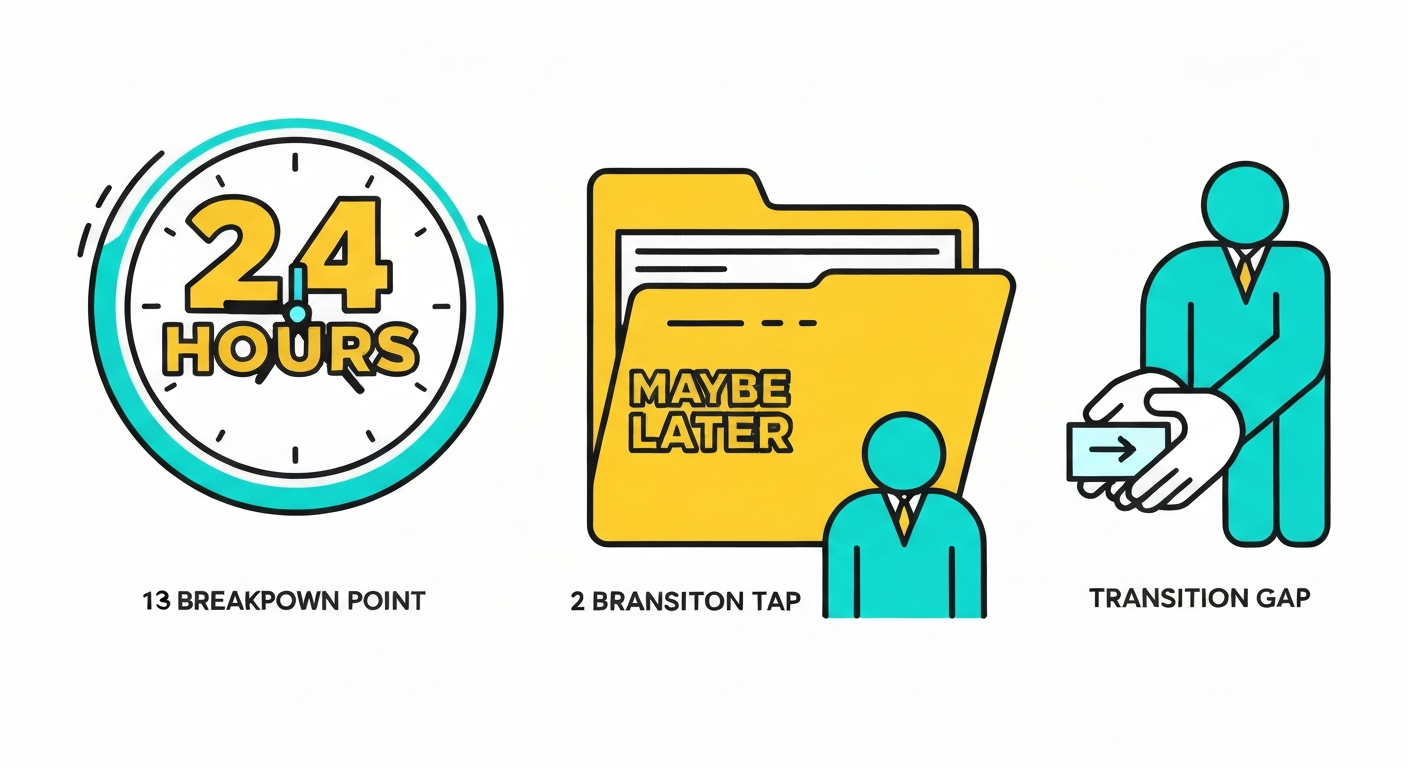
- The first 24 hours. A lead comes in, gets a quick initial response, and then sits waiting for a second touch that competes with everything new happening the next day.
- The "maybe later" pile. A customer says they're not ready yet, and that response gets mentally filed under "someday," which in practice usually means never, since nothing brings it back to the surface automatically.
- The handoff gap. A lead moves from one person or stage to another, a receptionist to a salesperson, a quote to a decision, and the transition itself becomes the point where responsibility gets unclear and follow-up quietly stalls.
Each of these is a specific, identifiable point of failure, not a vague character flaw in the team handling it.
Find out where follow-up is actually breaking down in your business right now.
Book a Free AI Strategy Call →
Why Adding a Reminder System Doesn't Actually Fix It
A common first attempt to solve this is adding reminders, sticky notes, calendar alerts, a task list inside a CRM. These help marginally, but they still depend on a human noticing the reminder and choosing to act on it in that exact moment, rather than dismissing it to deal with something more pressing right now.
A reminder is still competing for attention the same way the original follow-up was. It just adds one more thing to a to-do list that's already losing the daily battle against urgent, in-the-moment demands. The structural problem, human attention being finite and reactive, never actually gets solved by asking that same finite attention to remember more things.
What a Follow-Up System That Can't Forget Actually Looks Like
This is where Conversation AI changes the underlying mechanics rather than just adding another reminder to ignore. Instead of relying on a person to notice and act, the follow-up itself becomes an automatic trigger tied to a specific event, a lead going quiet, a customer saying "maybe later," a stage transition happening, rather than a task sitting on someone's mental list.
A lead who says "not right now" gets a scheduled, natural check-in weeks later without anyone needing to remember them specifically. A handoff between team members automatically confirms the next step happened, rather than assuming it did. The system doesn't get busy, distracted, or reprioritize based on what feels urgent that day, because it isn't operating on the same finite attention a person is.
Where Follow-Up Actually Breaks Down, Mapped by Stage
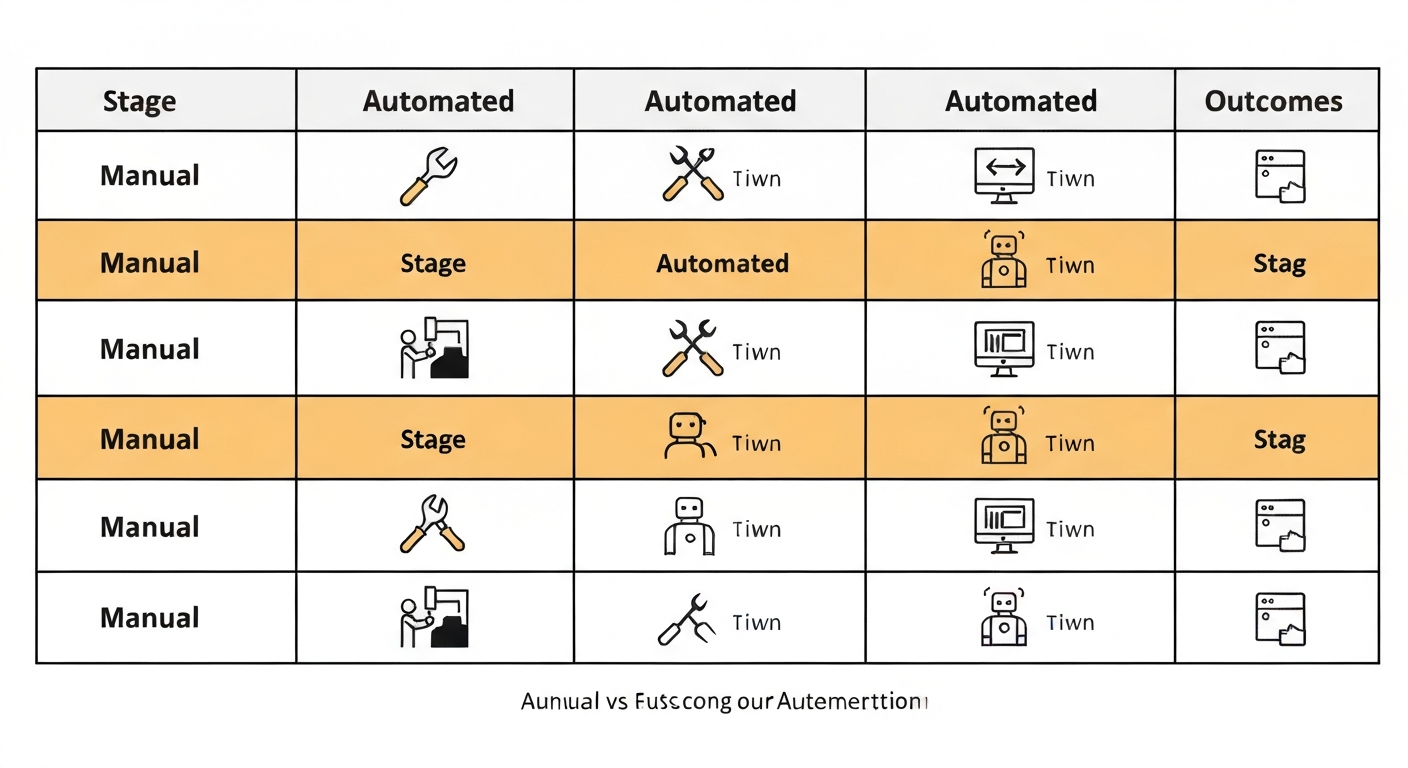
| Stage | Common Manual Outcome | Automated Outcome |
|---|---|---|
| First 24 Hours After Initial Contact | Often delayed by newer, competing tasks | Triggered automatically, same day |
| "Maybe Later" Response | Filed away, rarely revisited | Scheduled check-in at a defined future point |
| Handoff Between Team Members | Responsibility becomes unclear | Confirmed automatically, logged in CRM |
| Long-Term Dormant Contacts | Almost never re-engaged | Periodic re-engagement built into the system |
Building Follow-Up That Doesn't Depend on Memory
Fixing this doesn't require hiring someone whose entire job is chasing down old leads, an approach that tends to work for a few weeks before it becomes just another task competing for attention. Every automated follow-up system BayksCloud builds runs natively inside GoHighLevel, tied directly to the specific moments where follow-up currently breaks down in your business.
The typical process looks like this:
- A discovery call identifying exactly where your follow-up currently stalls, the first touch, the "maybe later" pile, or the handoff between team members
- Building automated triggers specific to those exact breakdown points, rather than a generic reminder system
- A review period confirming the tone and timing feel natural rather than robotic
- Launch within 72 hours once all requirements are gathered
If you want to see this working against your own dormant leads before committing, you can start a 14-Day Free Trial and track the results directly.

Biggest Takeaways
- Follow-up failure is rarely about a lack of care, it's about finite human attention constantly losing to newer, more urgent tasks
- The three most common breakdown points are the first 24 hours, the "maybe later" pile, and handoffs between team members
- Adding more reminders doesn't solve the problem, since reminders still depend on the same limited attention that caused the original gap
- Automated, trigger-based follow-up removes the dependency on memory entirely, since the system doesn't reprioritize the way a busy person naturally does
- Mapping exactly where follow-up breaks down in your specific business matters more than adopting a generic fix
Stop losing leads to a system that depends on someone remembering.
Book Your Free AI Strategy Call Today →
Frequently Asked Questions
Is poor follow-up really a systemic issue rather than a staff performance problem?
In most cases, yes. Follow-up competes against newer, more urgent tasks every single day, which means even a highly motivated team will predictably lose that competition for some leads, regardless of individual effort.
Why don't reminders and task lists actually solve this?
Reminders still require a person to notice them and choose to act in that specific moment, which means they're competing for the same limited attention that caused the original follow-up gap in the first place.
What's the most common point where follow-up breaks down?
The first 24 hours after initial contact is one of the most common breakdown points, since a newer lead or task often arrives before the necessary second touch happens.
What happens to leads who say maybe later in a typical manual system?
They're usually mentally filed away without a defined trigger to bring them back to the surface, which in practice often means they're never revisited at all.
Can automated follow-up actually feel personal, or does it come across as robotic?
When timed and worded appropriately based on the specific situation, automated follow-up can feel like a natural, low-pressure check-in rather than an obviously generic message.
How much does fixing this with automation typically cost?
Costs vary depending on the number of touchpoints and channels involved, but recovering just a few previously lost leads a month is typically enough to justify the investment.
Does this connect to the CRM I already use to track leads and customers?
Every follow-up system we build runs natively inside GoHighLevel, and we can also help integrate with other CRMs depending on your setup. Book a free 20-minute consultation to review your specific tools.
How long does it take to set up automated follow-up mapped to my specific breakdown points?
Once we've identified where follow-up currently stalls in your business, most automated systems are built and live within 72 hours.
Key Takeaways
- AI automation directly impacts your bottom line by capturing leads and booking appointments that would otherwise go to competitors.
- Implementing AI doesn't replace your staff; it frees them from repetitive tasks so they can focus on high-value customer interactions.
- Speed to lead is critical in local services. AI ensures a 24/7 instant response across voice, web chat, and SMS.

Written by Eric Adjei
Eric Adjei is an AI & Digital Marketing Strategist and Business Coach with over 20 years in the IT and digital marketing space, and founder of BayksCloud Consultants LLC - a digital marketing agency in the Miami–Fort Lauderdale metro area, South Florida. He specializes in helping Managed IT Services (MSPs), Medical Spas (Medspas), and HVAC companies replace manual operations and missed leads with AI employees, intelligent CRM systems, and digital marketing strategies that work around the clock.
Book a Free AI Strategy Call →Voice AI
Every missed call is a customer you might never get back.
Most people don't leave voicemails. They hang up and call someone else.
- Answers inbound calls for you, even after hours
- Qualifies leads, handles FAQs and books appointments automatically
- Sounds natural and captures every opportunity in your CRM
Related Articles
Missed Call Lost Revenue: The Silent Leak Draining Your Business Every Month
Every missed call is a customer calling a competitor. See the real cost of missed call lost revenue and how AI recovers it automatically, 24/7.
AI Receptionist for Small Business: The Employee Who Never Misses a Call
Discover how an AI receptionist for small business answers every call 24/7, books appointments, and saves you thousands vs. hiring staff. Book a free demo today.
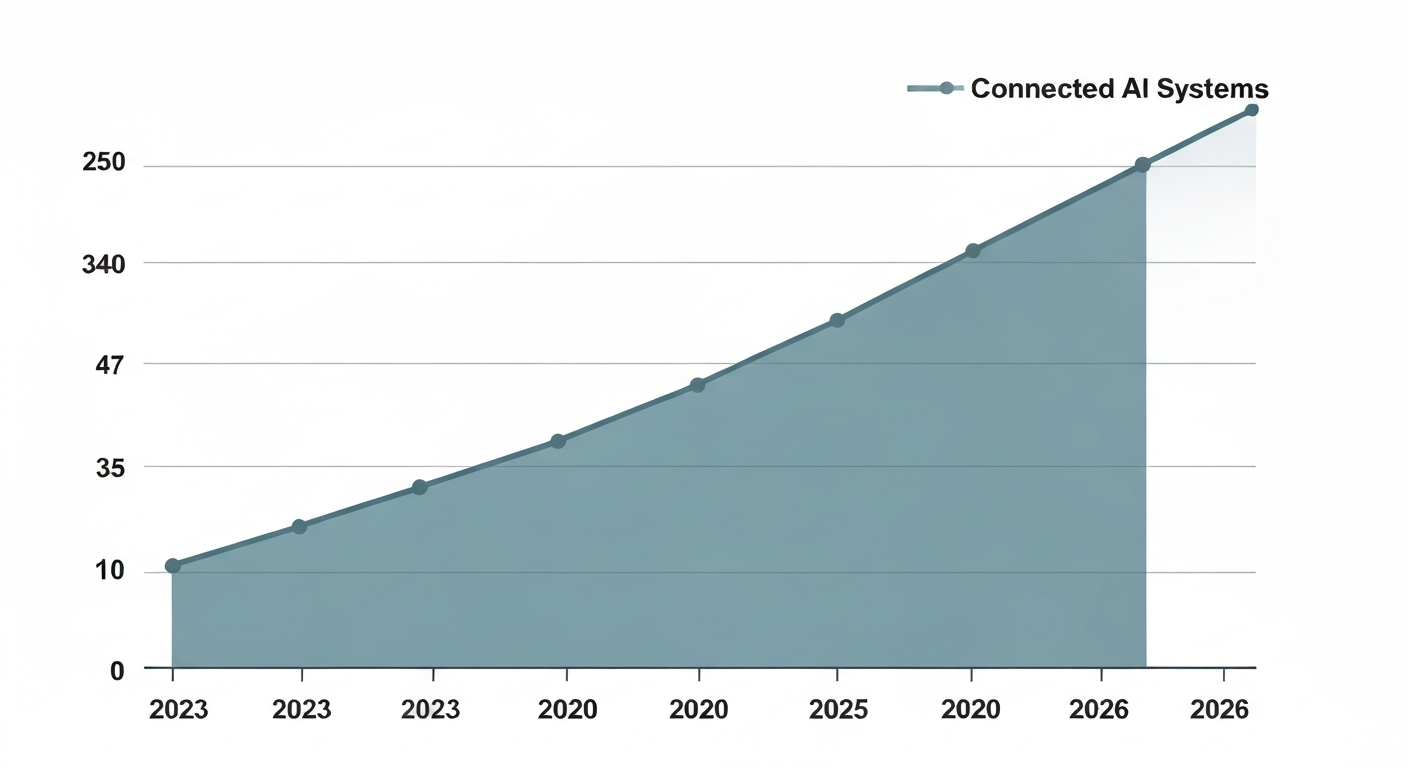
Why 2026 Is the Year Local Businesses Must Adopt AI
The gap between businesses running on AI and those still doing everything manually is widening fast. Here's why 2026 is the actual turning point.
Ready to implement AI in your business?
Book a free strategy call to see how an AI receptionist can stop your revenue leaks.
Book Free AI Strategy Call